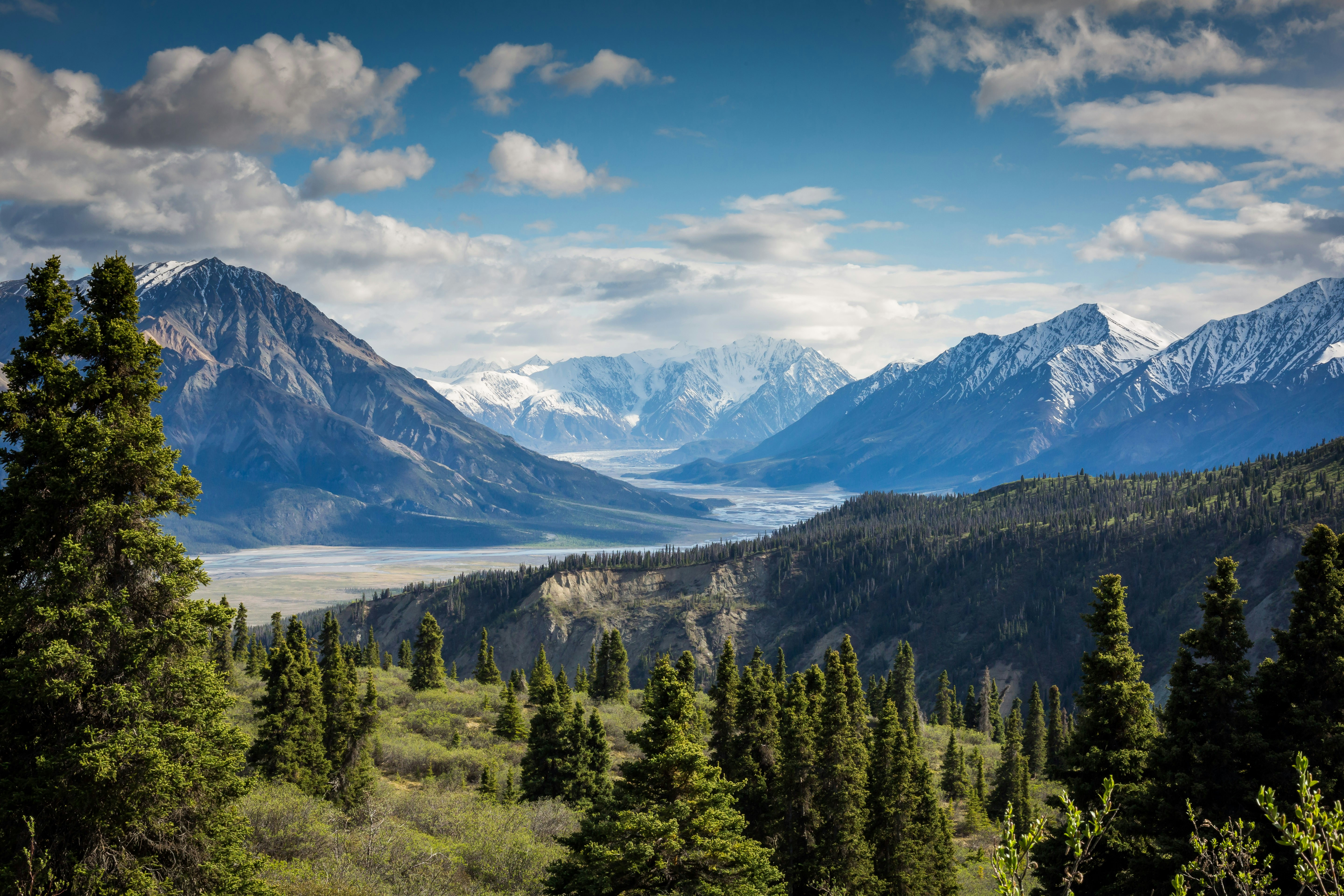
Mount Lafayette
5,260 ft | 5 trails | New Hampshire
5,260 ft
5 routes
Hard
NH 4000-Footer
About Mount Lafayette
At 5,260 feet, Mount Lafayette ranks among New Hampshire's celebrated 4000-Footers—a collection of 48 peaks that challenge and inspire hikers throughout the Northeast. This hard summit offers a quintessential White Mountain experience.
Popular Routes
The most popular route, **Franconia Ridge Loop**, covers 8.9 miles and is rated Hard. One of New England's most spectacular hikes. Ascend via Falling Waters Trail past beautiful cascades, traverse the exposed Franconia Ridge with stunning 360° views, and descend via Old Bridle Path pas
Peak Bagging
**Extend Your Adventure:** Mount Lincoln lies just 0.9 miles away, making it an excellent addition for ambitious hikers looking to bag multiple summits.
Community Reviews
No Reviews Yet
Be the first to share your experience hiking Mount Lafayette!
Check Current Conditions
Trail conditions change frequently. Check recent reports on AllTrails or NE Trail Conditions before your hike.
Frequently Asked Questions
How long does it take to hike Mount Lafayette?
Most routes on Mount Lafayette take 4-6 hours round trip. The most popular trail is 8.9 miles with Hard difficulty. Start early, especially on weekends when parking fills quickly.
Is Mount Lafayette hard to hike?
Mount Lafayette is rated Hard. At 5,260 feet, expect challenging terrain above treeline with potential for rapid weather changes. Proper footwear and preparation are essential.
Do I need a permit to hike Mount Lafayette?
No hiking permit is required for Mount Lafayette. However, parking fees may apply at trailheads (typically $3-5/day for WMNF or state parks). A WMNF parking pass covers most White Mountain trailheads.
What is the best trail to hike Mount Lafayette?
The most popular route is the Franconia Ridge Loop, offering One of New England's most spectacular hikes. Ascend via Falling Waters Trail past beautiful cascades, traverse the exposed Franconia Ridge with stunni.
When is the best time to hike Mount Lafayette?
The best hiking season for Mount Lafayette is late May through October. Summer and fall offer the best conditions, though expect crowds on weekends. Winter hiking requires specialized gear and experience.
Best Time to Visit
spring
March - May
Muddy trails, snow above 3000ft until May
summer
June - August
Best weather, occasional afternoon thunderstorms
fall
September - November
Peak foliage late Sept, early snow possible in October
winter
December - February
Full winter conditions, extreme cold and wind above treeline
Winter Gear Checklist
- Snowshoes/crampons
- Insulated boots
- Balaclava
- Hand/toe warmers
- Emergency bivy
Tip: Winter hiking requires specialized skills and gear. Never hike alone. Check avalanche conditions for steeper terrain.
Safety Information
Current Hazards
- ⚠️ ALPINE ZONE: Weather changes rapidly. Turn back if conditions deteriorate.
- Winter conditions in effect - full mountaineering gear required
- Hypothermia risk - temperatures 20-40°F colder at summit
- Short daylight hours - carry headlamp
- Trail markers may be buried under snow
Turn-Around Time
2:00 PM recommended for summit
Plan to reach the summit by this time to allow safe descent before dark.
Essential Gear Checklist
* Critical items - do not hike without these
Emergency Contacts
Nearby Peaks
Explore other mountains near Mount Lafayette. Great for peak-bagging or planning your next adventure.
Mount Lincoln
5,089 ft
Owl's Head
4,025 ft
Mount Garfield
4,500 ft
Cannon Mountain
4,100 ft
Peak Bagging Tip
Mount Lincoln is only 0.9 miles away. Consider combining these peaks for a bigger day or overnight trip!